The Evolution of Memorial Services

What Thousands of Years of Tradition Reveal About How We Grieve and Remember
Across cultures and millennia, people have sought ways to honor the dead and preserve the memory of those they love. While the rituals themselves have changed dramatically (from pyramids and burial ships to livestreamed services and digital memorials), the purpose has remained remarkably consistent: helping the living process loss while ensuring that a life is remembered.
Today’s memorial services may look very different from those of the past, but many of the ideas behind them (legacy, remembrance, and connection) are rooted in traditions thousands of years old.
Ancient Civilizations: Power, Permanence, and the Afterlife
Some of the earliest memorial practices were closely tied to beliefs about the afterlife. The funerary practices of ancient Egyptians involved rituals which signified a deceased soul’s successful transition into the afterlife. Because Egyptians believed the soul needed to recognize its physical body after death, they developed elaborate mummification processes.
The process preserved the body and was often accompanied by tombs filled with objects meant to support the deceased in the afterlife. These burial rituals reflected both spiritual beliefs and social hierarchy, as wealthier individuals received more complex preparation and more elaborate burial spaces.

Similarly, the ancient Romans carried out elaborate burial ceremonies, and their beliefs about the afterlife were also tied to one’s economic status in life. Thus, wealthier families were afforded more lavish ceremonies, whereas the poorer families were not given the same kind of honor or access to an ornate burial.

They believed that only when a body was properly buried was when a soul’s afterlife could truly begin. During the early Roman Empire, mourners took the deceased bodies to the necropolis (Roman version of a modern day cemetery) and placed the corpse on a fire, burning it until only bones and ash remained. Burial was known as ‘inhumation’, which became more common and also led to these ceremonies continuing to evolve.
These early practices show that memorial services have long served both spiritual and social purposes, honoring the individual while reinforcing cultural beliefs.
The Middle Ages: Faith, Status, and Symbolism
During the Middle Ages, memorial practices were deeply influenced by religious belief. In much of Europe, burial rituals reflected the idea that the soul continued on after death and that the living had a role in honoring and supporting that journey.
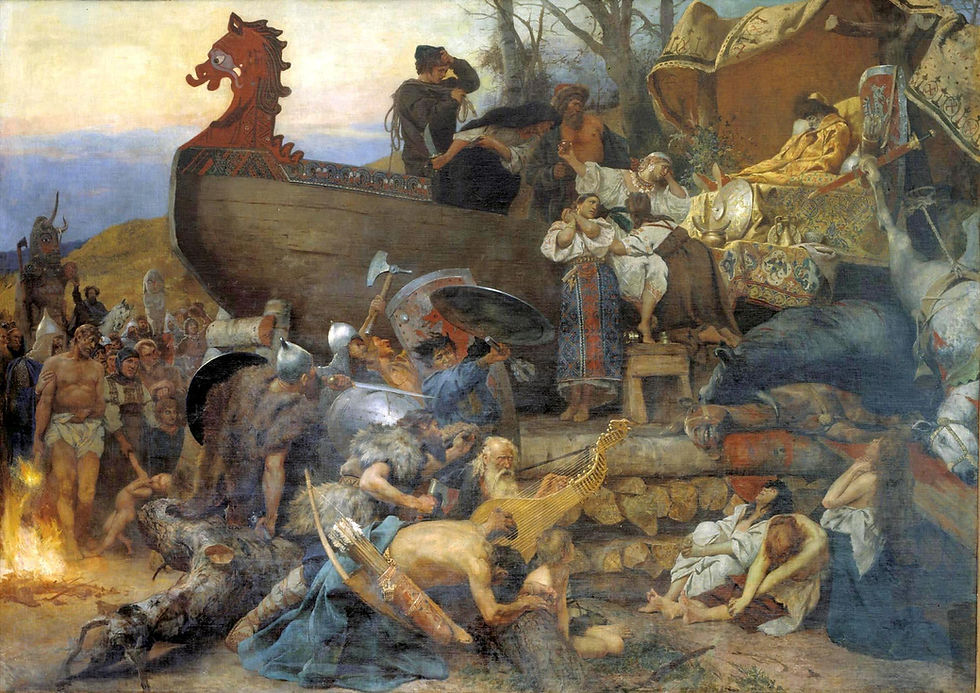
In Northern Europe, the deceased of Anglo-Saxon Tribes were either cremated or buried. The evidence we have today of Anglo-Saxon values and their way of life comes directly from these burial sites. People of higher status were often buried with possessions believed to be useful in the afterlife. Archaeological discoveries have revealed graves containing weapons, clothing, jewelry, musical instruments, and other personal items.
One example of this is King Raedwald, an Anglo-Saxon king, whose body was put into a full-length ship along with his most expensive possessions: a large ceremonial helmet, gold, spare clothes, food, furs and even musical instruments. Archaeologists believed that people were buried with a ship because their religion required them to use some form of transport to get to the afterlife.
19th Century: Nationalism and Public Memory
By the 19th century, memorial practices had shifted again, as the world moved into the Age of Industry. Death was a much more visible and frequent part of everyday life due to disease, limited medical care, and war.
Funerals often took place in the family home, and community members helped the family of the deceased prepare the body, host gatherings, and support the grieving family.
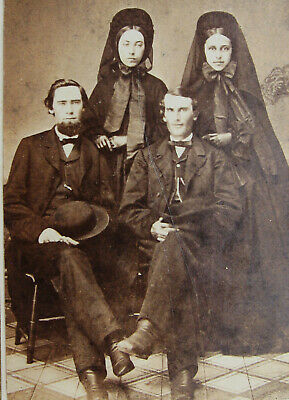
Mourning customs were also highly structured. Wearing black clothing was widely expected, and mourning periods could last months. These visible signs of grief reflected a cultural expectation that mourning should be public, deliberate, and respectful.
21st Century: Interactive, Inclusive, and Digital Memory
In recent decades, memorial services have become increasingly personalized. Instead of following a single traditional format, families now design ceremonies that reflect the personality, beliefs, and experiences of the person who has died.
Some ways in which friends and family celebrate the lives of their deceased relatives include photo books, video montages, floating lanterns, church services, a nature or cultural tribute, or throwing ashes and rose petals into the sea. Many ceremonies take place outdoors, at meaningful locations, or through cultural traditions that celebrate life rather than focus solely on loss.
Technology has also expanded how people remember loved ones. Livestreamed services allow distant family members to participate, while digital memorial pages and online tribute platforms allow memories, photos, and messages to be shared long after the ceremony ends.
As modern society’s values have evolved, memorial services today have likewise become less about status or strict tradition and more about storytelling and capturing the moments, relationships, and impact that defined a person’s life.

What Hasn’t Changed
Although memorial traditions have evolved dramatically over thousands of years, their core purpose remains the same. They provide a space for reflection, connection, and remembrance.
Whether through ancient tombs, medieval burial rites, community funerals, or digital memorials, every generation finds its own way to answer the same timeless question: How do we remember the people who shaped our lives?
And as technology and culture continue to evolve, the ways we honor those memories will evolve with them.


